

News and Resources
Company News
 Home
2026.10.13
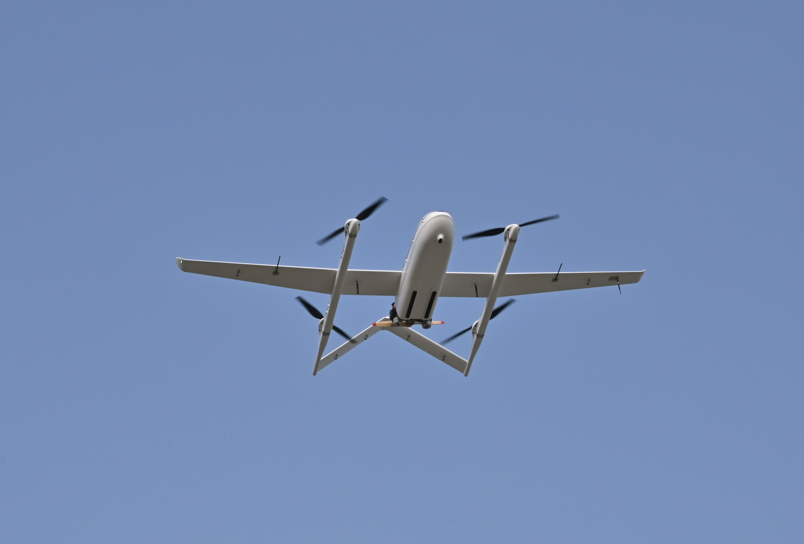
Tianjing Yunhu | CW100 Equipped with Ku‑Band Airborne SAR System
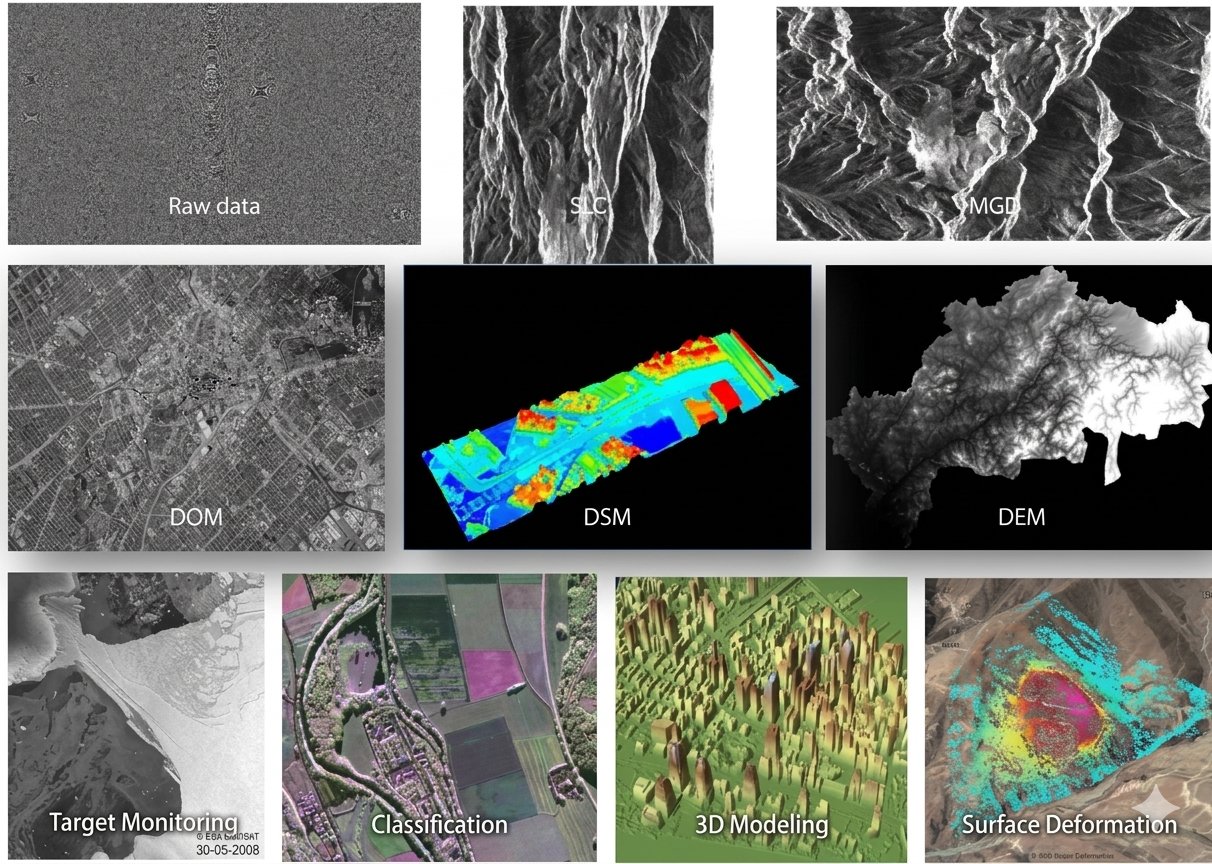
In recent years, driven by growing application demands, Synthetic Aperture Radar (SAR) technology has experienced rapid development. Its functional modes have expanded from strip‑map imaging and spotlight imaging to Ground Moving Target Indication (GMTI), wide‑area sea‑surface search and target tracking, Inverse Synthetic Aperture Radar (ISAR) imaging, multi‑polarimetric imaging and more.
2026.09.24
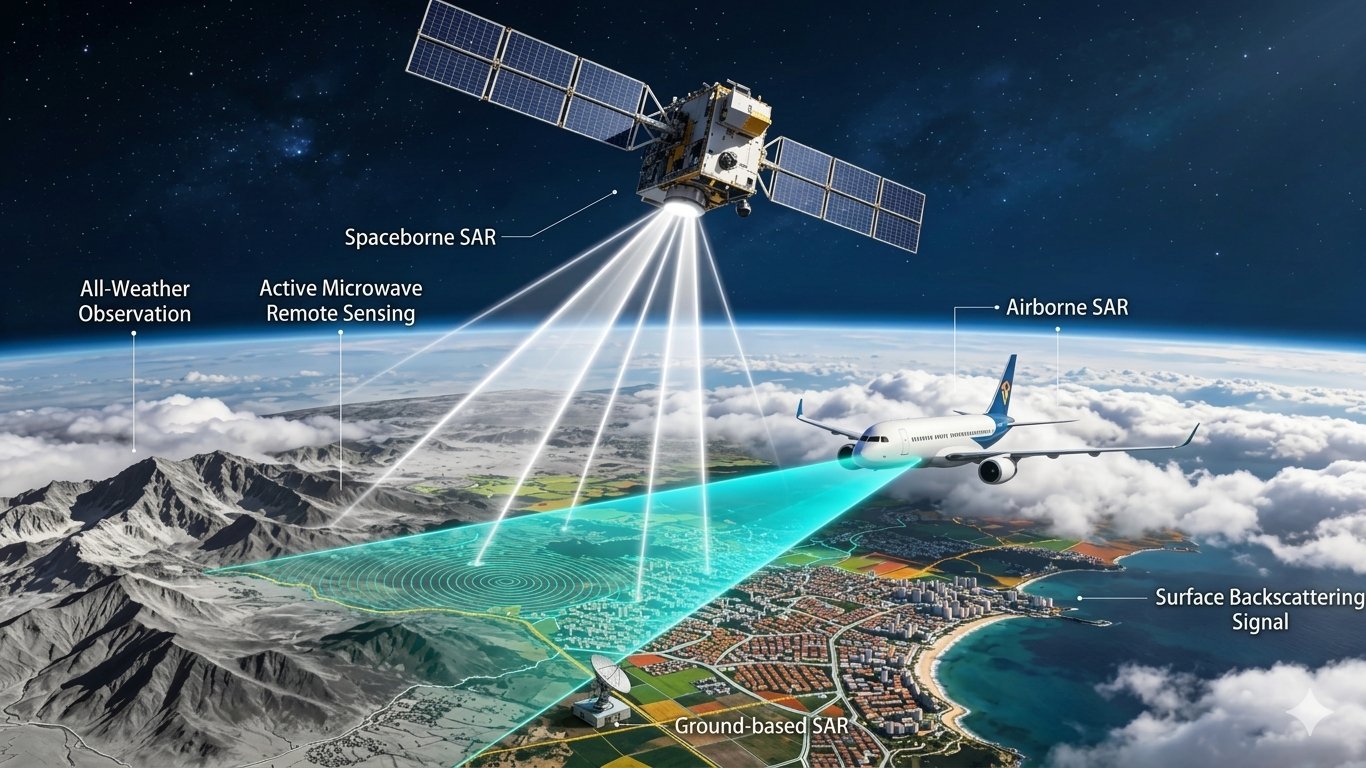
Tianjing Yunhu | Airborne SAR vs. Spaceborne SAR
Synthetic Aperture Radar (SAR), an all-weather, 24/7 reconnaissance technology, has now moved from military applications to the civilian market, becoming a core sensing tool in numerous fields such as land surveying, disaster response, agricultural monitoring, and marine surveillance. This article will analyze the real differences between spaceborne SAR and airborne SAR, helping you clarify which one to choose!
2026.09.21
Tianjing Yunhu | Miniature Airborne SAR Service: Full-Chain Flight Support
As the application of drones and the low-altitude economy continues to expand in fields such as surveying and inspection, agricultural and forestry plant protection, emergency reconnaissance, and power line inspection, related demands are constantly growing. Against this backdrop, it is crucial to ensure that the chosen partner possesses valid flight qualifications—a compliant "flight license." Without this qualification, not only can the partner not undertake legitimate flight activities, but the safety and compliance of the operations cannot be guaranteed.

2026.09.17
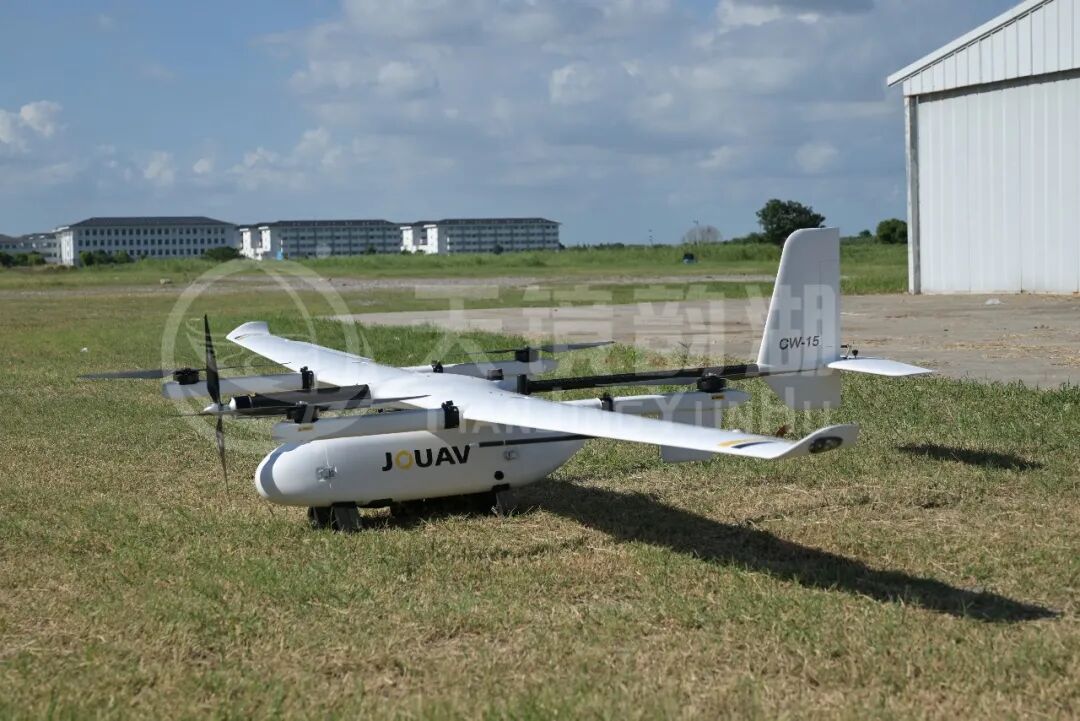
Tianjing Yunhu | Adaptation and Verification of Airborne SAR Synthetic Aperture Radar with Zongheng CW15 UAV
In the field of remote sensing, synthetic aperture radar (SAR) has always been an indispensable core technology. It actively transmits microwave signals, unaffected by clouds, rain, snow, fog, haze, or darkness, enabling it to acquire high-resolution surface information around the clock. However, traditional SAR systems are bulky, heavy, and power-consuming, and have long been limited to manned aircraft or large satellite platforms, making flexible and rapid deployment difficult.
2026.09.15
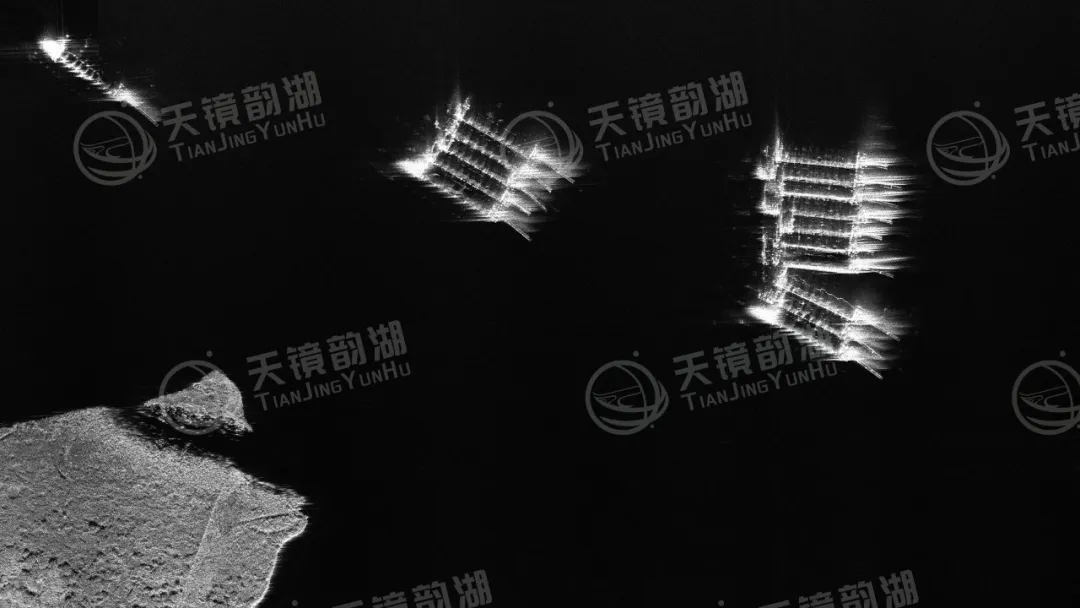
Tianjing Yunhu | Miniature Airborne SAR Ship Target Monitoring
Our country possesses a vast maritime territory and abundant marine resources. Furthermore, its coastal areas are economically developed, and maritime transportation is crucial for economic growth. Therefore, maintaining initiative and control at sea, and accurately locating and identifying various maritime targets, is paramount. Ship target detection has significant military and civilian implications. Militarily, ship target detection enables automatic reconnaissance, automated analysis and processing of image data, real-time monitoring and warning, early warning of enemy ships, and enhanced situational awareness, thereby gaining tactical advantages. Civilianly, ship target detection allows for 24/7 monitoring and management of vessels entering and leaving ports, improving transportation efficiency, monitoring maritime traffic, combating illegal fishing, monitoring illegal oil dumping, and combating smuggling.
2026.09.10
Tianjing Yunhu | L-band Airborne SAR Interferometry System
Synthetic Aperture Radar (SAR), as an active microwave imaging system, actively emits electromagnetic waves and receives echoes. It does not rely on any external light source, possessing true all-weather, all-day operation capability. It can penetrate atmospheric barriers such as clouds, rain, fog, and dust, which are insurmountable by optical and infrared sensors, achieving stable, high-resolution Earth observation. Using small unmanned aerial vehicles (UAVs) as SAR observation platforms, based on phase differential interferometry technology, rapid, flexible, and large-area deformation measurements can be achieved, demonstrating enormous application potential in various disaster monitoring and early warning fields.