

News and Resources
Company News
 Home
2025.09.16
Tianjing Yunhu | Practice and Application of SAR Technology in Aircraft Target Detection
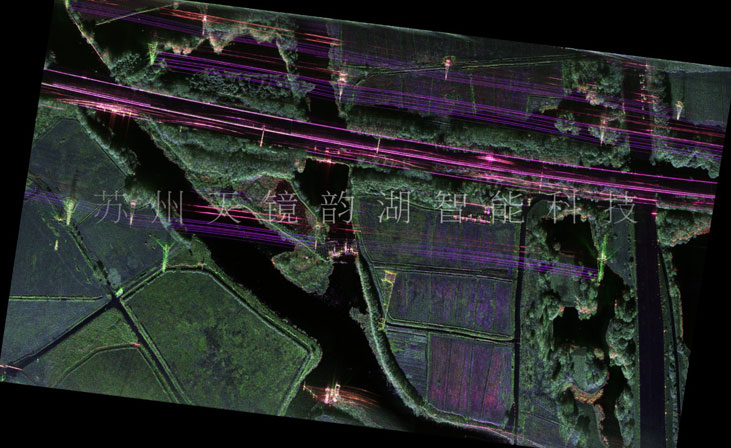
In modern air defense systems, airport operation management, and military reconnaissance, the timeliness, accuracy, and all-weather capability of aircraft target detection are crucial. Traditional optical detection technologies are limited by weather conditions (such as rain, fog, and haze) and lighting environments (such as nighttime and strong light), making continuous monitoring of aircraft targets difficult. Synthetic Aperture Radar (SAR) technology, with its all-weather, all-time, high-penetration, and long-range detection advantages, can acquire high-resolution images and scattering characteristics of aircraft targets in complex environments, becoming a core technology for aircraft target detection. Currently, as SAR technology develops towards multi-polarization, high resolution, and lightweight design, its practical applications in aircraft target detection have covered scenarios such as military airport reconnaissance, civil airport operation monitoring, and low-altitude aircraft control. Through technological optimization and algorithm innovation, it has effectively solved the problems of "difficulty in identifying, tracking, and distinguishing" aircraft targets, providing strong support for improving safety and efficiency in the aviation field.

2025.07.29
Tianjing Yunhu | The Principle and Significance of Micro SAR Monitoring of Soil Moisture Soil moisture is an important indicator for measuring the availability of surface water resources.
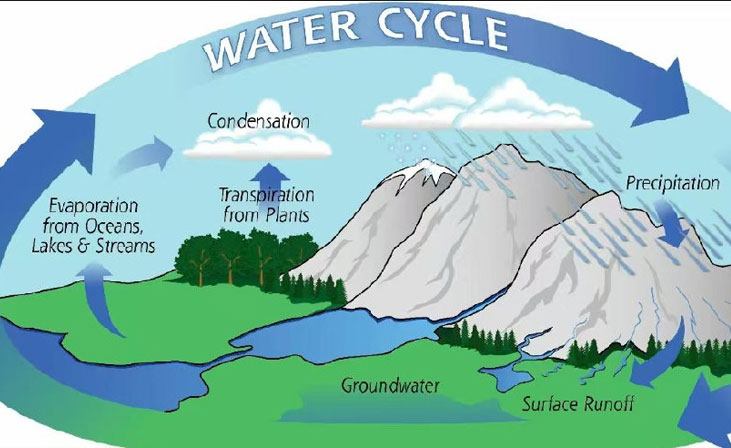
Soil moisture is a crucial indicator of surface water availability. It plays a key role in the Earth's water cycle, connecting precipitation, evaporation, storage, and runoff. Soil moisture data is vital for agriculture, forestry resource management, and fire prevention. However, traditional soil moisture monitoring methods have certain limitations.
2025.07.15
Tianjing Yunhu | Micro SAR: Gaining Insights into the World from a Small Platform
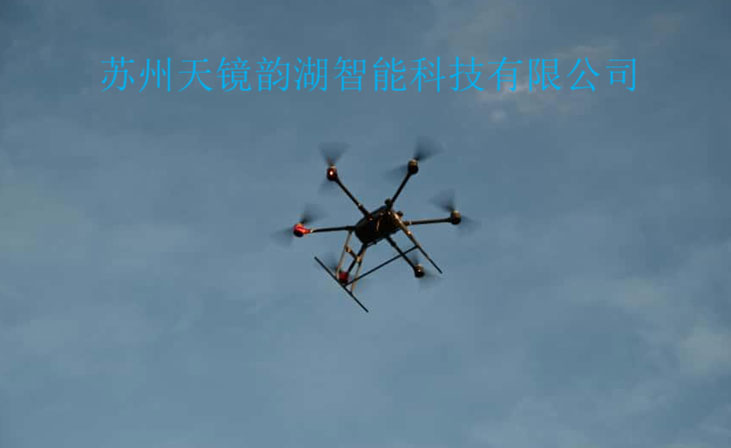
Synthetic Aperture Radar (SAR) technology, with its unique advantages of being able to penetrate clouds and fog in all weather conditions and operating around the clock, has become the "X-ray vision" of the remote sensing field. Miniature SAR, on the other hand, represents the development of SAR technology towards miniaturization, lightweight design, low power consumption, and low cost. It successfully integrates the powerful "X-ray vision" capability, originally only possible on large aircraft or satellites, into small platforms such as drones, microsatellites, and even ground vehicles, ushering in a new era of high-resolution radar remote sensing.
2025.05.26
Tianjing Yunhu | Indoor Orbital Imaging SAR System
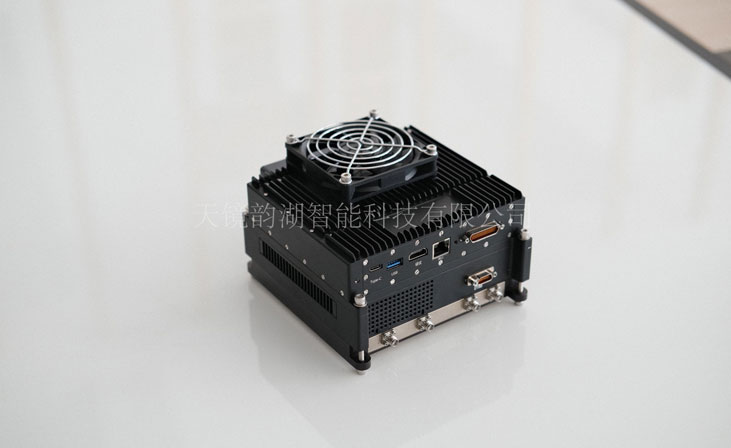
SAR, or miniature synthetic aperture radar, is a miniaturized synthetic aperture radar system. It builds upon traditional SAR by reducing system size, cost, and power consumption, making it more suitable for smaller platforms or specific applications.
2025.05.13
Tianjing Yunhu| SAR Application in Camouflage Assessment
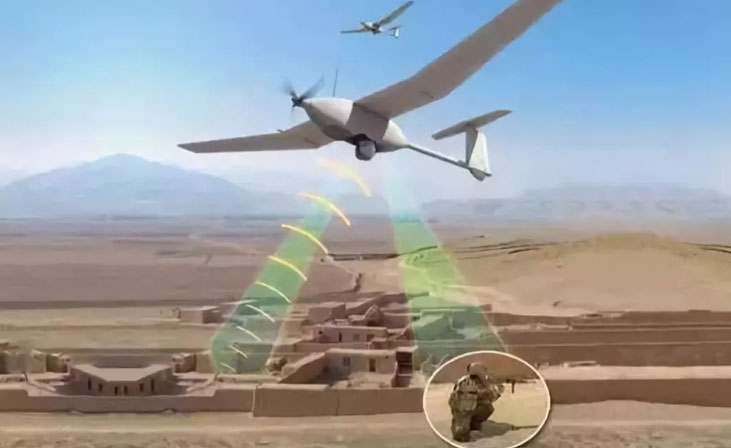
Synthetic Aperture Radar (SAR) technology is increasingly widely used in the military, and its high-resolution imaging characteristics offer broad application prospects in reconnaissance, intelligence gathering, and target tracking. However, due to SAR's strong penetration and imaging capabilities, attackers employ camouflage techniques, such as terrain manipulation and the use of special materials, to conceal target information and interfere with SAR detection and identification. Therefore, improving SAR's anti-spoofing capabilities is of great significance for enhancing military reconnaissance and combat effectiveness.
2025.05.13
Tianjing Yunhu | Airborne SAR Technology Applied to Power Line Monitoring
High-voltage transmission towers are among the most important infrastructures in electrical facilities, and their operational status determines the stability and safety of the entire power grid. Traditional methods such as manual inspection, robotic line inspection, aerial digital photography line inspection, and various sensors on the towers are currently the main means of monitoring the safety status of the power grid. However, these methods have shortcomings such as limited monitoring range and limited operation under harsh environments and large-scale disaster conditions. In order to ensure the safe and stable operation of these backbone power grids, it is urgent to research and develop wide-area monitoring technology for power grids under large-scale disaster weather.